By The Iron Way Editorial · Published 5 September 2026
Plan storage before you cook
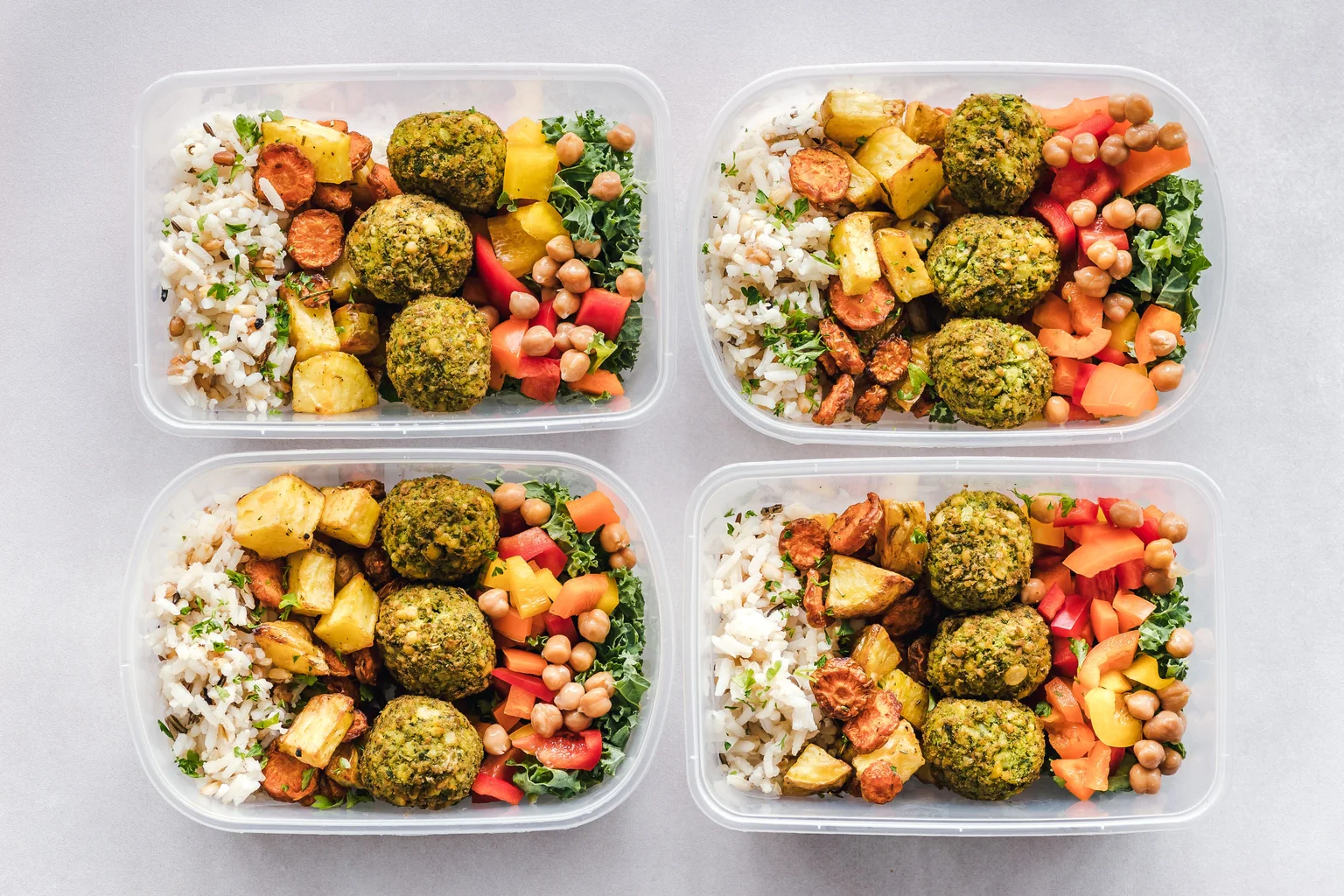
Make room in the fridge and set out clean, shallow containers. A large pot takes longer to cool than smaller portions. Keep raw ingredients separate from cooked food and ready-to-eat vegetables.
Use temperature and time
Health Canada recommends refrigerating or freezing leftovers within two hours. Keep the refrigerator at 4°C / 40°F or below. Divide larger batches into shallow containers so they cool efficiently.
Use refrigerated leftovers promptly; Health Canada describes a two-to-four-day window. Our recipes suggest two or three days as a practical planning limit. Follow the earliest ingredient use-by date and any more specific local guidance. Freeze portions you will not use in that period.
Reheat the portion you will eat
Reheat leftovers to at least 74°C / 165°F, checking the centre with a food thermometer. Stir or rotate microwave-heated food so cold spots do not remain. Avoid reheating the same leftovers repeatedly.
Defrost in the fridge rather than on the kitchen counter. If you are unsure how food has been stored, do not rely on smell or appearance to declare it safe.
Create a repeatable label
Write the recipe name, preparation date and number of portions on the container. Keep a short freezer list so you can use the oldest suitable meal first. A clear label is more useful than a fridge full of matching containers without dates.
Sources & further reading
This is an editorial guide, not a clinical review or personalised recommendation. How we work.