By The Iron Way Editorial · Published 5 September 2026
Start with the job
A lunch carried in a backpack needs a dependable closure. A batch stored in a freezer needs appropriate material and space for expansion. A bowl reheated at work needs clear manufacturer guidance for microwave use. One container does not have to do everything.
Glass or plastic?
Glass can be heavier for commuting but convenient at home. Plastic is often lighter and easier to carry. For either material, follow the manufacturer’s instructions on heating, freezing, dishwasher use and lid ventilation. Do not assume the lid has the same heat rating as the base.
Buy fewer sizes first
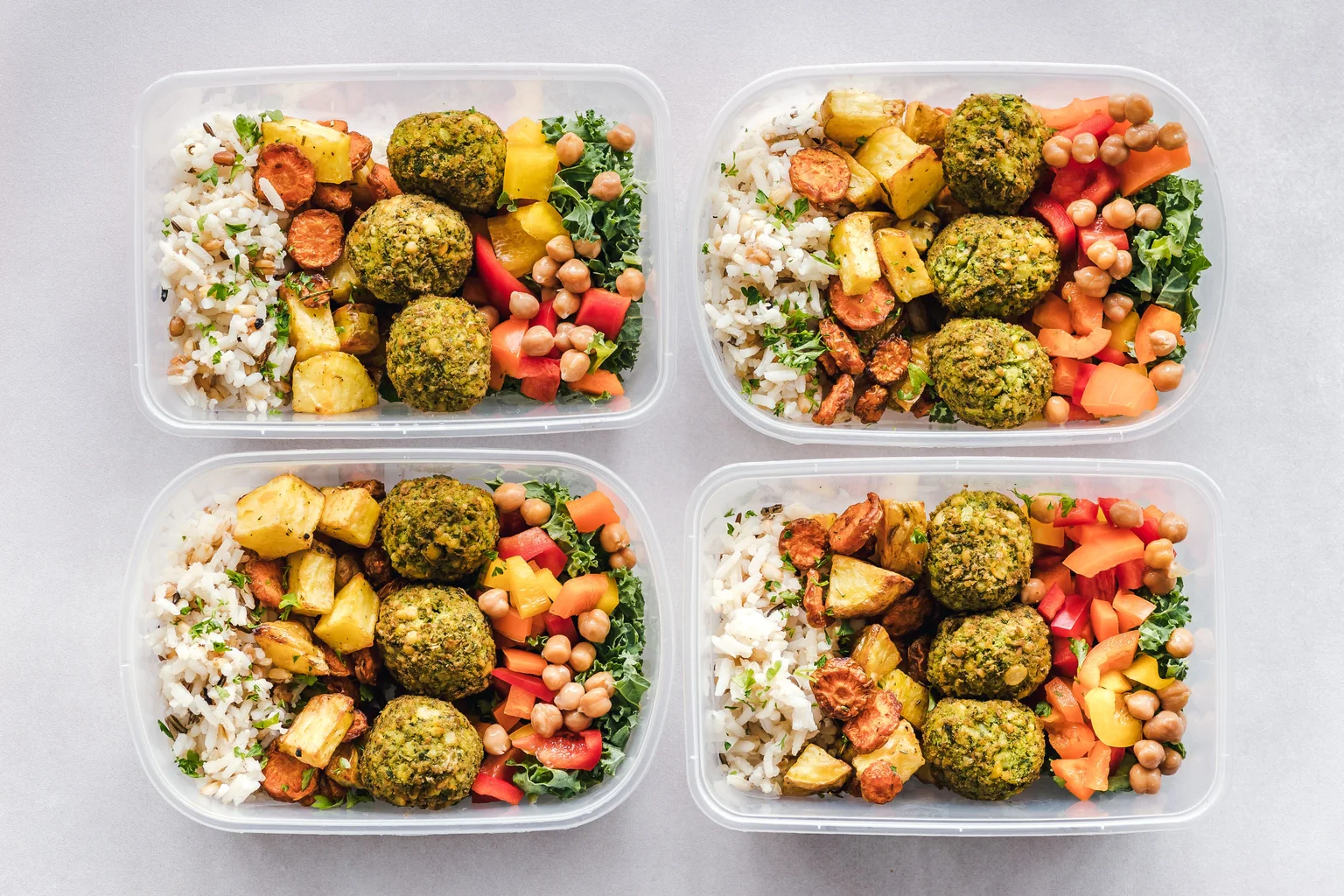
Try a small number before committing to a large matching set. Pack a real meal and check that the container fits your bag and fridge. Keep a smaller container for dressings and cold toppings.
- Readable capacity and dimensions.
- Manufacturer-stated microwave, freezer and dishwasher suitability.
- Lids that seal correctly and are easy to clean.
- Replacement-lid availability, if offered.
A useful first kit
Start with enough main containers for a few lunches, a couple of small sauce pots, a food thermometer and a kitchen scale if you use one. Good planning matters more than a crowded cupboard.
Sources & further reading
This is an editorial guide, not a clinical review or personalised recommendation. How we work.